
Relevant articles about Child Arrangements, Community


About
Read more


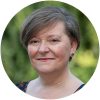
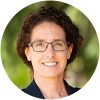





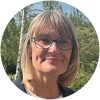






Boardman, Hawkins & Osborne LLP is a niche family practice established in 2018 by partners, Emily Boardman, Ruth Hawkins and Irena Osborne.
We offer legal advice, representation, mediation by mediators who are also practising solicitors, and other forms of family dispute resolution.
Emily Boardman
Founding Partner
Ruth Hawkins
Founding Partner
Irena Osborne
Founding Partner
Helen Bishop
Head of Matrimonial Team
Carrie Rudge
Consultant solicitor
Seona Myerscough
Consultant solicitor
Amanda Stopps
Consultant solicitor
Ruth Sharon
Consultant solicitor
Simone Brown
Consultant solicitor
Beth Hancock
Solicitor
Lucie Cotmore-Brown
Office Manager
Kerri-Anne Matthews
Senior paralegal
Debra Newman
PA and Billing Assistant
Sophie Hibbert
Legal Administration Assistant
Sarah Morgan
Consultant Case Worker
Anna Regan
Receptionist/office administrator
Oliviya Edison
Paralegal
Divorce & separation
Divorce & Separation Specialists
Helen Bishop
Head of Matrimonial Team
Carrie Rudge
Consultant solicitor
Amanda Stopps
Consultant solicitor
Simone Brown
Consultant solicitor
Divorce & Separation Articles
"They are sensible, pragmatic and client-focused"
Chambers & Partners 2025
Children
Children Specialists
Emily Boardman
Founding Partner
Ruth Hawkins
Founding Partner
Irena Osborne
Founding Partner
Helen Bishop
Head of Matrimonial Team
Carrie Rudge
Consultant solicitor
Seona Myerscough
Consultant solicitor
Amanda Stopps
Consultant solicitor
Ruth Sharon
Consultant solicitor
Simone Brown
Consultant solicitor
Beth Hancock
Solicitor
Children Articles
“They are empathetic, efficient and child-focused”
Chambers & Partners 2025
Pre-nuptial & cohabitation agreements
Pre nuptial + cohabitation agreement Specialists
Helen Bishop
Head of Matrimonial Team
Carrie Rudge
Consultant solicitor
Simone Brown
Consultant solicitor
Pre nuptial + cohabitation agreement Articles
"Boardman, Hawkins & Osborne are always consistent, and the quality throughout the team is great"
Legal 500
Mediation
Mediation Specialists
Ruth Hawkins
Founding Partner
We have a solutions based, flexible approach to helping you resolve your issues on separation. Our experienced team of accredited mediators here to help.
Domestic Abuse
Domestic Abuse Specialists
Helen Bishop
Head of Matrimonial Team
Seona Myerscough
Consultant solicitor
Amanda Stopps
Consultant solicitor
Ruth Sharon
Consultant solicitor
"I think clients would want to know that they are treated as individuals, that the firm is empathetic and understanding. They went out of their way to support and help me"
Legal 500